

Which Honda CG125 CG150 Motorcycle Clutch Assembly Delivers Reliable Power Transmission?
2026-11-17
Article Summary
A reliable clutch assembly is essential for smooth power transmission, responsive gear shifting, and stable motorcycle performance. For Honda CG125 and CG150 motorcycles, the clutch system plays an important role in transferring engine power to the transmission while allowing riders to control acceleration and gear changes.
However, worn friction plates, weakened clutch springs, damaged clutch hubs, and incorrect component compatibility can lead to clutch slipping, difficult shifting, abnormal noise, and reduced riding performance. This guide explores the structure, working principles, common problems, replacement considerations, and maintenance practices associated with Honda CG125 CG150 motorcycle clutch assemblies. It also provides practical purchasing advice for motorcycle parts wholesalers, distributors, repair shops, and importers.
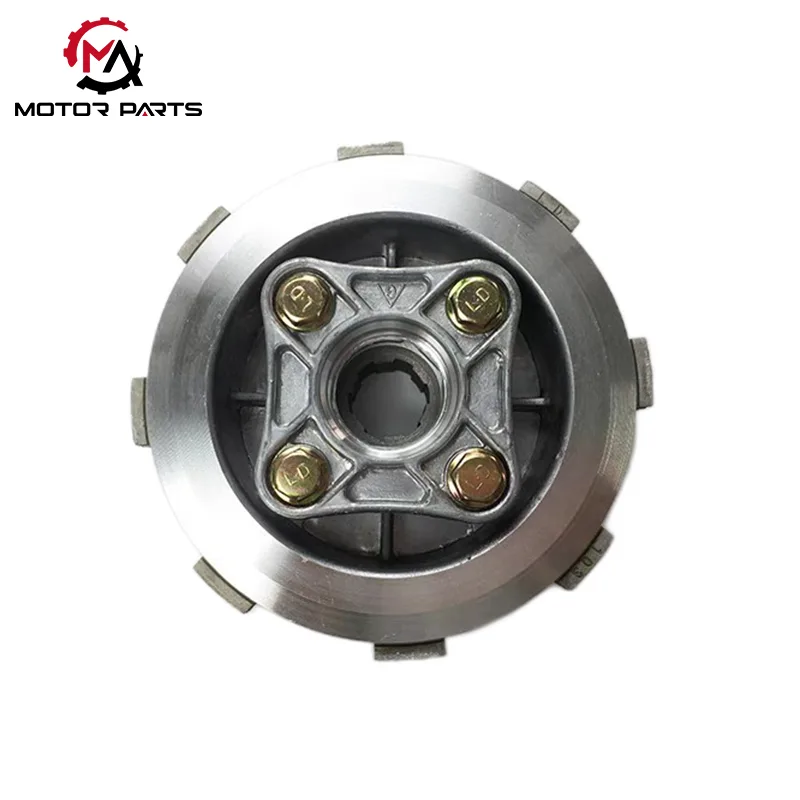
1. Understanding the Honda CG125 CG150 Clutch Assembly
The clutch assembly is one of the most important transmission components in a motorcycle. It connects and disconnects engine power from the gearbox, allowing riders to start smoothly, change gears, and control vehicle speed without stopping the engine.
The Honda CG125 and CG150 motorcycle platforms are widely recognized in markets where practical, economical, and durable motorcycles are in demand. Their clutch systems are designed to support everyday transportation, commuting, and various working conditions.
Depending on the specific model and market version, these motorcycles may use different clutch configurations and component specifications. Buyers should therefore confirm the exact engine version, production year, and original part references before purchasing replacement assemblies.
What Is a Motorcycle Clutch Assembly?
A motorcycle clutch assembly is a group of mechanical components that work together to control power transmission. Common components include the clutch outer basket, clutch center or hub, friction discs, steel plates, pressure plate, clutch springs, and release mechanism.
In a typical wet multi-plate clutch design, the friction and steel plates are arranged alternately. Engine oil helps lubricate and cool the clutch components while the assembly operates inside the engine or transmission housing.
2. How Does a Motorcycle Clutch Assembly Work?
The clutch operates by controlling friction between alternating clutch discs and plates. When the clutch is engaged, spring pressure holds the friction components together, allowing engine torque to pass through the transmission. When the clutch lever is pulled, the release mechanism reduces the clamping force and separates the clutch plates sufficiently to interrupt power transmission.
Step 1: Engine Power Transmission
When the clutch lever is fully released, the clutch springs push the pressure plate against the plate stack. Friction between the clutch discs and steel plates transfers rotational force from the engine-driven clutch outer to the clutch center and transmission input shaft.
Step 2: Disengaging the Clutch
When the rider pulls the clutch lever, the cable or operating mechanism activates the clutch lifter. This moves the pressure plate against spring resistance, reducing the clamping force between the friction and steel plates.
As a result, engine power is no longer transmitted effectively through the clutch, allowing the rider to change gears.
Step 3: Smooth Engagement
When the rider gradually releases the lever, the clutch springs restore pressure to the plate stack. The friction surfaces begin transferring torque progressively until the clutch becomes fully engaged.
This controlled engagement is important for smooth acceleration, particularly when starting from a stationary position or riding at low speeds.
3. Main Components and Their Functions
Understanding the individual clutch components helps motorcycle owners, mechanics, and parts buyers identify wear problems and select suitable replacement products.
| Component | Main Function | Common Wear or Damage |
|---|---|---|
| Clutch Outer Basket | Receives engine-driven rotation and supports the clutch discs. | Grooves, impact marks, and worn contact surfaces. |
| Clutch Center / Hub | Connects the plate stack to the transmission shaft. | Spline wear, deformation, or surface damage. |
| Friction Plates | Generate friction to transmit engine torque. | Wear, glazing, burning, or material deterioration. |
| Steel Plates | Provide mating surfaces for friction plates. | Warping, discoloration, scoring, or corrosion. |
| Pressure Plate | Applies pressure to the clutch plate stack. | Uneven wear, deformation, or damaged contact areas. |
| Clutch Springs | Maintain the required clamping force. | Loss of spring tension or uneven spring performance. |
| Clutch Lifter | Controls clutch disengagement. | Wear, sticking, or incorrect movement. |
| Bearings and Washers | Support rotation and maintain correct component positioning. | Noise, excessive clearance, or surface damage. |
Why Component Matching Is Important
All clutch components must work together according to the motorcycle's original design. Differences in plate thickness, hub dimensions, spring length, spline profiles, and pressure plate geometry can affect clutch engagement and durability.
For replacement projects, a complete and correctly matched assembly can simplify installation and reduce the risk of compatibility problems.
4. Why Clutch Assembly Quality Matters
Motorcycle clutch performance directly affects the rider's ability to control engine power. A poorly manufactured or incompatible clutch assembly may create problems even when the rest of the transmission is in good condition.
Consistent friction performance helps transfer engine torque to the transmission with reduced unwanted slipping.
Correct clutch disengagement helps riders change gears more smoothly and comfortably.
Proper spring pressure and plate alignment support predictable clutch operation.
Suitable friction materials and manufacturing precision help maintain performance under normal operating conditions.
Correctly matched components can reduce premature wear caused by dimensional incompatibility.
Consistent clutch response contributes to smoother starts, acceleration, and everyday riding.
For motorcycle repair shops and distributors, product consistency is equally important. Replacement parts that perform reliably help reduce customer complaints, repeat repairs, and unnecessary warranty expenses.
5. Common Clutch Problems and Their Causes
Clutch problems may develop gradually as friction materials wear or mechanical components deteriorate. Identifying the symptoms early can help prevent additional damage to the clutch and transmission.
5.1 Clutch Slipping
Clutch slipping occurs when the engine speed increases but motorcycle acceleration does not respond proportionally. The clutch cannot transfer the required torque because the friction force between the plates is insufficient.
Possible causes include:
- Worn or glazed friction plates.
- Weak or damaged clutch springs.
- Incorrect clutch cable adjustment.
- Unsuitable engine oil that is incompatible with the wet clutch system.
- Excessive wear or damage to mating clutch surfaces.
5.2 Difficult Gear Shifting
Difficulty shifting gears may indicate that the clutch is not disengaging completely. Incorrect cable free play, a sticking release mechanism, warped plates, or unsuitable oil can contribute to this condition.
5.3 Clutch Drag
Clutch drag happens when the clutch continues transmitting some torque even after the lever has been pulled fully. Riders may experience difficulty selecting neutral or notice that the motorcycle attempts to move while stopped with a gear engaged.
5.4 Abnormal Noise
Unusual sounds from the clutch area may be associated with worn bearings, damaged basket contact surfaces, loose fasteners, or other internal engine components. Proper inspection is needed to identify the source.
5.5 Sudden or Uneven Engagement
If the motorcycle jerks when the clutch lever is released, possible causes include contaminated friction plates, uneven plate surfaces, damaged springs, or an improperly adjusted control cable.
| Symptom | Possible Cause | Recommended Inspection |
|---|---|---|
| Engine revs without matching acceleration | Worn friction plates or weak springs | Inspect friction material and spring condition. |
| Hard gear shifting | Incorrect free play or incomplete disengagement | Check cable adjustment and plate movement. |
| Motorcycle creeps with lever pulled | Clutch drag or warped plates | Inspect plate flatness and release mechanism. |
| Unusual clutch noise | Worn basket, bearing, or loose components | Inspect internal parts and fasteners. |
| Jerky engagement | Uneven friction, contamination, or spring problems | Check the complete clutch plate stack. |
6. Signs That Your Motorcycle Clutch Needs Replacement
Not every clutch operating problem requires a complete assembly replacement. Sometimes adjustment or oil replacement can resolve the issue. However, when mechanical wear exceeds the manufacturer's service limits, replacing the affected components is necessary.
Important Warning Signs
- The motorcycle loses acceleration despite increasing engine speed.
- Gear changes become increasingly difficult.
- The clutch lever response becomes inconsistent.
- Abnormal vibration or noise develops during engagement.
- Friction plates show excessive wear, burning, or glazing.
- Steel plates show warping, deep scoring, or heat discoloration.
- Clutch springs fail to meet the specified service limits.
- Repeated adjustment does not resolve clutch performance problems.
During inspection, technicians should measure friction plate thickness, steel plate distortion, and clutch spring free length using the specifications for the exact motorcycle version.
Replacing only the visibly damaged component may not be sufficient if other parts have experienced similar wear. The condition of the clutch basket, hub, bearings, and release mechanism should also be evaluated.
7. How to Choose the Right Honda CG125 CG150 Clutch Assembly
Choosing the correct replacement clutch assembly is essential for achieving reliable performance. Motorcycle parts buyers should evaluate compatibility, construction quality, materials, and supplier reliability before placing an order.
7.1 Confirm Motorcycle Model and Engine Version
The CG125 and CG150 model names do not guarantee that every clutch component is interchangeable. Different production versions may use different clutch hubs, baskets, plate arrangements, fasteners, or other dimensions.
Before ordering, confirm:
- Motorcycle model and production year.
- Engine code or engine identification details.
- Original equipment part number, if available.
- Existing clutch assembly dimensions and configuration.
- Relevant market or regional version.
7.2 Check Friction Plate Quality
Friction plates are responsible for transferring torque through controlled friction. Their material, thickness, surface consistency, and dimensional accuracy affect engagement performance and wear behavior.
Buyers should ask suppliers about the friction material specification, manufacturing consistency, and inspection procedures rather than relying only on product appearance.
7.3 Evaluate Clutch Spring Performance
Clutch springs maintain the pressure required to hold the plate stack together. Springs that are too weak may cause slipping, while unsuitable spring specifications may create excessive lever effort or inconsistent engagement.
7.4 Inspect Dimensional Accuracy
Correct component dimensions are essential for proper installation. Hub splines, basket grooves, plate thickness, mounting holes, and pressure plate dimensions should match the specified application.
7.5 Consider Complete Assembly Availability
For repair shops and wholesale buyers, purchasing a complete clutch assembly can simplify stock management and replacement work. It can also reduce the risk of mixing incompatible components from different suppliers.
| Selection Factor | What to Confirm | Expected Benefit |
|---|---|---|
| Model Compatibility | Model year, engine code, and part number | Correct installation and fitment. |
| Friction Material | Material quality and thickness consistency | Stable friction performance. |
| Spring Quality | Spring dimensions and pressure specifications | Reliable engagement force. |
| Manufacturing Precision | Dimensions, splines, and surface finish | Better component matching. |
| Product Inspection | Quality control and inspection procedures | More consistent product quality. |
| Supplier Support | Technical assistance and replacement availability | More efficient purchasing and after-sales service. |
8. Clutch Assembly Replacement and Installation Tips
Correct installation is just as important as selecting the right product. Improper assembly may result in clutch slipping, drag, oil leakage, abnormal noise, or premature component damage.
Preparation Before Installation
- Confirm that the replacement assembly matches the motorcycle specification.
- Prepare the correct service manual and required tools.
- Drain the engine oil if required by the model's service procedure.
- Inspect the clutch cover, gasket, and locating dowels.
- Check the new plates and components for visible damage.
- Prepare the specified engine oil and replacement seals where necessary.
General Installation Process
- Remove the clutch cover: Remove the necessary external components and fasteners according to the service manual.
- Release spring pressure: Loosen the clutch spring retaining bolts gradually and evenly.
- Remove the old components: Carefully take out the pressure plate, springs, friction discs, steel plates, hub, and basket as applicable.
- Inspect related parts: Check the clutch basket grooves, hub splines, bearings, washers, and release mechanism.
- Prepare replacement plates: Pre-soak friction plates in the specified engine oil when required by the manufacturer's instructions.
- Install the plate stack: Follow the specified order and orientation of friction discs and steel plates.
- Reinstall springs and pressure plate: Tighten fasteners in the correct sequence and to the specified torque.
- Reassemble and adjust: Install the cover with the appropriate gasket and adjust clutch cable free play.
- Test operation: Check clutch engagement, disengagement, leakage, and shifting before normal riding.
9. Maintenance Practices for Longer Clutch Life
Regular maintenance helps reduce unnecessary friction wear and keeps the clutch operating smoothly. Riding habits, engine oil quality, traffic conditions, and component compatibility all influence service life.
Use Suitable Engine Oil
For motorcycles equipped with a wet clutch, use engine oil that meets the manufacturer's recommended viscosity and specifications. Motorcycle oils meeting the appropriate JASO MA or MA2 requirements are commonly used for wet-clutch applications, subject to the specific engine manufacturer's recommendations.
Automotive oils containing friction-modifying additives may be unsuitable for certain wet clutch systems and can contribute to clutch slipping.
Adjust Clutch Cable Free Play
Incorrect cable adjustment can prevent complete engagement or disengagement. Excessively tight adjustment may keep the clutch partially released, while excessive free play can make gear shifting difficult.
Check the recommended free-play measurement in the motorcycle's service manual.
Avoid Unnecessary Clutch Slippage
Keeping the clutch lever partially engaged for extended periods generates additional heat and accelerates friction material wear. Riders should use the clutch smoothly and avoid holding it in the friction zone longer than necessary.
Follow Regular Inspection Schedules
Check the clutch operation during routine maintenance. If the motorcycle develops slipping, dragging, abnormal noise, or unusual engagement behavior, investigate the problem before continued operation causes further damage.
10. OEM Quality and Aftermarket Clutch Assemblies
Motorcycle replacement clutch assemblies are available through original equipment channels and aftermarket suppliers. Both purchasing options can serve different market requirements, depending on the buyer's budget, sourcing strategy, and quality expectations.
OEM Parts
Original equipment parts are produced or supplied through the motorcycle manufacturer's authorized parts system. They are intended to meet the relevant original specifications and are commonly selected when original replacement requirements are important.
Aftermarket Parts
Aftermarket clutch assemblies are supplied by independent manufacturers and trading companies. They may provide additional sourcing options, competitive purchasing costs, and different packaging or customization arrangements.
However, aftermarket products should be evaluated according to their actual material specifications, dimensional accuracy, quality control, and compatibility. A lower purchase price does not automatically indicate better overall value.
| Comparison | OEM Parts | Aftermarket Parts |
|---|---|---|
| Supply Channel | Original manufacturer or authorized channel | Independent manufacturers and suppliers |
| Specifications | Designed for specified original applications | Depend on individual manufacturer specifications |
| Price Range | Depends on original brand and distribution channel | Varies by materials, quality, and supplier |
| Customization | Generally follows original product specifications | May offer packaging and sourcing flexibility |
| Buyer Considerations | Authenticity and authorized supply | Quality verification and fitment confirmation |
For international motorcycle parts distributors, a dependable aftermarket supplier can provide useful sourcing flexibility. The key is to establish clear product specifications and verify quality before placing large-volume orders.
11. What Motorcycle Parts Buyers Should Check Before Ordering
For importers, wholesalers, retailers, and motorcycle repair businesses, choosing a clutch assembly supplier involves more than comparing unit prices. Product consistency, communication, packaging, delivery arrangements, and technical support can all affect the purchasing experience.
Confirm Product Details
Request product drawings, dimensions, component lists, photographs, or applicable part references. Make sure that the offered assembly matches the intended Honda CG125 or CG150 application.
Understand Quality Control
Ask about incoming material inspection, dimensional checks, friction material testing, spring inspection, assembly procedures, and final product inspection. The exact testing methods should match the product design and supplier's actual capabilities.
Evaluate Packaging and Export Requirements
Motorcycle clutch assemblies contain multiple precision components that need suitable protection during transportation. Buyers should confirm individual packaging, moisture protection, carton strength, labeling, and export packing arrangements.
Check Supply and Communication Capabilities
For regular wholesale orders, buyers should evaluate product availability, minimum order quantities, production lead times, delivery arrangements, and communication efficiency.
Prepare the Following Information for a Quotation
- Product name: Honda CG125 or CG150 motorcycle clutch assembly.
- Motorcycle model and production year.
- Engine code or original part number.
- Required clutch assembly configuration.
- Expected order quantity.
- Material or quality requirements.
- Packaging and labeling requirements.
- Destination country and preferred shipping method.
Providing complete information helps suppliers identify the correct product and prepare a more accurate quotation. It also reduces unnecessary communication and the risk of ordering incompatible parts.
12. Frequently Asked Questions
Q1. What is a Honda CG125 CG150 motorcycle clutch assembly?
It is a mechanical assembly that controls the transfer of engine power to the transmission. Depending on the motorcycle version, it includes components such as a clutch basket, hub, friction plates, steel plates, pressure plate, springs, and release mechanism.
Q2. Are Honda CG125 and CG150 clutch assemblies interchangeable?
Not necessarily. Compatibility depends on the engine version, production year, regional model, component dimensions, and original part references. Buyers should verify the specific application before ordering.
Q3. What causes a motorcycle clutch to slip?
Common causes include worn friction plates, weak clutch springs, incorrect cable adjustment, unsuitable engine oil, and damaged clutch components. A proper inspection is needed to identify the exact cause.
Q4. How long does a motorcycle clutch assembly last?
Service life varies depending on riding habits, traffic conditions, engine oil, maintenance, and component quality. Frequent stop-and-go riding and prolonged clutch slipping may accelerate wear.
Q5. What components are included in a complete clutch assembly?
A complete assembly may include the clutch outer, clutch center, friction discs, steel plates, pressure plate, clutch springs, and related components. The exact package contents should be confirmed with the supplier.
Q6. How can I tell whether my clutch plates need replacement?
Signs include excessive slipping, abnormal engagement, worn friction material, burned surfaces, and steel plate warping. Technicians should measure the components against the service limits specified for the exact motorcycle version.
Q7. Which engine oil is suitable for a wet motorcycle clutch?
Use engine oil that meets the motorcycle manufacturer's recommended viscosity and specifications. Oils meeting the appropriate JASO MA or MA2 standards are commonly used for wet-clutch motorcycles, but the owner's manual should always be followed.
Q8. Can I replace only the friction plates instead of the complete assembly?
Yes, if the remaining clutch components are still within their service limits. However, the clutch springs, steel plates, hub, basket, and release mechanism should also be inspected to prevent recurring problems.
Q9. What should wholesalers check when purchasing clutch assemblies?
Wholesalers should confirm model compatibility, component specifications, material quality, dimensional accuracy, quality inspection procedures, packaging, minimum order quantity, and delivery arrangements.
Q10. Can a supplier provide customized packaging for motorcycle clutch assemblies?
Some suppliers can offer customized packaging, labeling, and branding arrangements depending on order quantity and production capabilities. Buyers should discuss their requirements before confirming the order.
Q11. Why is clutch assembly dimensional accuracy important?
Accurate dimensions help ensure correct installation and proper engagement between the clutch plates, hub, basket, and pressure plate. Incorrect dimensions may cause abnormal wear, noise, slipping, or installation difficulties.
Q12. What information should I provide when requesting a wholesale quotation?
Provide the motorcycle model, year, engine code, original part number if available, required quantity, product specifications, packaging requirements, and destination market. This information helps the supplier identify the appropriate product.
Conclusion: Choosing a Reliable Motorcycle Clutch Assembly
A dependable Honda CG125 CG150 motorcycle clutch assembly is essential for consistent power transmission, smooth gear shifting, and reliable everyday riding performance. From friction plates and clutch springs to the clutch basket and hub, every component contributes to the overall operation of the transmission system.
For motorcycle owners and repair technicians, recognizing early signs of clutch wear and following proper maintenance procedures can help prevent unnecessary mechanical problems. For distributors, importers, and wholesale buyers, confirming model compatibility, material specifications, dimensional accuracy, and supplier quality control is equally important.
When sourcing replacement clutch assemblies, buyers should focus on product suitability and long-term consistency rather than price alone. Working with a dependable motorcycle parts supplier can help simplify procurement, reduce compatibility risks, and support stable product availability.
Looking for a Reliable Motorcycle Clutch Assembly Supplier?
Ningbo Max Trading Co., Ltd. is focused on serving international buyers with motorcycle parts sourcing solutions and product supply support.
Whether you are a motorcycle parts wholesaler, importer, distributor, or repair business looking for Honda CG125 CG150 motorcycle clutch assemblies, choosing the right product specifications is the first step toward a successful purchase.
Have a product inquiry or wholesale purchasing requirement? Contact us today to discuss your motorcycle parts needs, confirm product compatibility, and request a quotation for your market.
Contact Us