

Which Types of Corrugated Board Are Best for Building and Construction Projects
2026-11-17
Selecting the right Building Material Corrugated Board can make or break the performance, durability, and cost efficiency of a construction project. At Wanhetong, we have spent years supplying contractors, architects, and distributors with corrugated board solutions engineered for real-world building conditions. This guide breaks down the main types of Building Material Corrugated Board, compares their strengths, and helps you match the right product to your application.
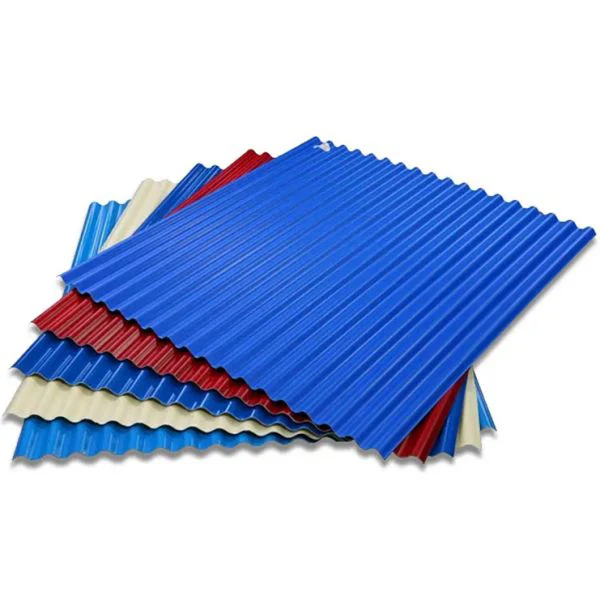
Understanding the Core Types of Building Material Corrugated Board
Building Material Corrugated Board is not a single product; it varies by flute profile, wall configuration, liner grade, and treatment. The table below summarizes the most common types used in construction.
| Type | Flute Profile | Typical Thickness | Best Use in Construction | Key Strength |
|---|---|---|---|---|
| Single Wall | A, B, C, E | 3–6 mm | Protection boards, temporary partitions | Lightweight and low cost |
| Double Wall | BC, EB | 6–10 mm | Formwork liners, floor protection | High puncture resistance |
| Triple Wall | AAA, ABC | 10–15 mm | Heavy-duty site protection, structural panels | Maximum strength and rigidity |
| Water-Resistant | C, BC | 4–10 mm | Moisture-prone sites, exterior protection | Wax or moisture-barrier coating |
| Fire-Retardant | B, C, BC | 4–8 mm | Interior fit-out, compliance-sensitive areas | Treated to slow flame spread |
| Heavy-Duty | BC, AAA | 8–15 mm | Load-bearing temporary structures | Reinforced liners and high burst strength |
Key Selection Criteria for Construction Projects
Choosing among types of Building Material Corrugated Board requires matching material properties to site conditions. Consider these factors:
-
Load requirements: Heavy-duty and triple wall boards suit load-bearing or high-impact uses.
-
Moisture exposure: Water-resistant grades are essential for exterior or damp environments.
-
Fire safety: Fire-retardant Building Material Corrugated Board supports compliance in enclosed spaces.
-
Duration of use: Long-term applications favor double and triple wall constructions.
-
Cost efficiency: Single wall boards remain the most economical for short-term protection.
Wanhetong Recommended Product Matrix
| Project Scenario | Recommended Type | Why It Works |
|---|---|---|
| Concrete formwork lining | Double Wall (BC) | Resists puncture and surface abrasion |
| Floor and surface protection | Heavy-Duty (BC) | High burst strength under foot traffic |
| Temporary site partitions | Single Wall (C) | Lightweight, easy to cut and install |
| Damp or exterior areas | Water-Resistant (BC) | Moisture barrier extends service life |
| Fire-sensitive interiors | Fire-Retardant (B/C) | Treated to reduce flame spread |
Frequently Asked Questions About Building Material Corrugated Board
Q: What is the difference between single wall and double wall Building Material Corrugated Board?
A: Single wall Building Material Corrugated Board consists of one fluted layer between two liners, making it lightweight and economical for short-term protection and partitions; double wall board uses two fluted layers, delivering significantly higher puncture resistance, strength, and durability for formwork liners and heavy-duty site protection.
Q: Can Building Material Corrugated Board be used outdoors?
A: Standard Building Material Corrugated Board is not suitable for prolonged outdoor exposure, but water-resistant grades with wax or moisture-barrier coatings can be used in damp or temporary exterior applications; for long-term outdoor use, Wanhetong recommends specifying treated boards and combining them with proper weather protection.
Q: How do I choose the right thickness for my construction project?
A: Thickness should match load and impact requirements: 3–6 mm single wall boards suit light protection and partitions, 6–10 mm double wall boards fit formwork and floor protection, and 10–15 mm triple wall boards are appropriate for heavy-duty structural or load-bearing temporary applications.
Q: Is fire-retardant Building Material Corrugated Board required for interior projects?
A: Fire-retardant Building Material Corrugated Board is strongly recommended, and often required, in enclosed interior spaces and compliance-sensitive areas because the treatment slows flame spread and supports fire safety standards; Wanhetong supplies treated grades that help projects meet local fire regulations.
Why Choose Wanhetong for Building Material Corrugated Board
Wanhetong combines controlled manufacturing, consistent liner quality, and application-specific engineering to deliver Building Material Corrugated Board that performs on site. Our team supports specification review, sample testing, and volume supply for contractors and distributors worldwide. For projects that demand reliable strength, moisture resistance, and fire safety, Wanhetong provides a dependable material partner.
Contact us today to request samples, technical data sheets, and a customized quotation for Building Material Corrugated Board that matches your construction project requirements.