

Why Are Supermarket Tiles Shaping the Future of Retail Flooring?
2025-12-02
Supermarket tiles have become a foundational element in modern retail environments, serving not just as a flooring material but as a strategic design tool that influences customer flow, brand perception, and long-term operational efficiency. These tiles are engineered for high-foot-traffic zones, offering durability, hygiene, slip resistance, and visual consistency. Their role extends far beyond aesthetics—supermarket tiles determine how shoppers move, how products are perceived, and how maintenance teams manage daily operations.
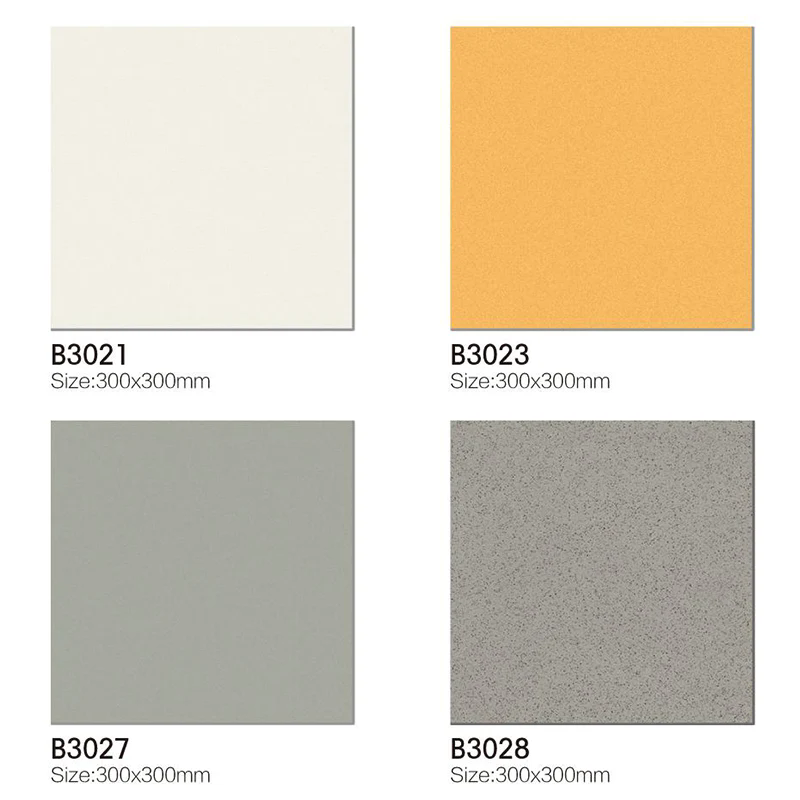
Technical Specifications of Supermarket Tiles
| Parameter | Specification Description |
|---|---|
| Material Composition | Porcelain/ceramic composite, high-density stoneware, engineered for commercial load-bearing |
| Thickness | 8mm – 12mm customizable for different foot-traffic intensities |
| Surface Finish | Matte, anti-slip, stain-resistant glaze, abrasion-resistant textured surfaces |
| Slip Resistance Rating | R10–R12 depending on wet/dry operational zones |
| Water Absorption | <0.5% ensuring minimal deformation and high moisture resistance |
| Load-Bearing Capacity | Designed to withstand heavy trolleys, pallet jacks, and equipment |
| Color & Pattern Options | Wood-look, stone-look, solid tones, terrazzo patterns with fade-proof technology |
| Hygiene Features | Anti-bacterial coating, easy-clean surface technology |
| Installation Method | Thin-set adhesive system, rapid-install locking options |
| Service Life | 10–20 years depending on maintenance and traffic volume |
How Do Supermarket Tiles Solve Core Operational Needs in Retail Spaces?
Supermarket tiles are more than a design choice—they are a functional requirement for retailers. Their performance influences safety, daily cleaning efficiency, visual merchandising, and cost efficiency. Understanding how these tiles enhance each operational layer provides insight into why they are prioritized in modern supermarkets.
How do supermarket tiles maintain structural durability under extreme foot traffic?
Supermarkets experience uninterrupted movement from shopping carts, stock carts, and customers. The dense composition and low porosity of these tiles prevent cracks, dents, and surface wear, allowing them to maintain a clean, polished look throughout years of usage.
How do they support hygiene protocols essential in food retail?
With food spills, moisture, and daily cleaning routines, flooring must resist stains and avoid bacterial growth. Supermarket tiles are equipped with specialized coatings that reduce microbial retention, allowing sanitation teams to clean quickly while maintaining strict hygiene standards.
How do supermarket tiles influence customer navigation and shopping behavior?
The color and pattern of flooring help visually guide customers through aisles. Subtle pattern contrasts can mark promotional zones or highlight high-traffic directions. Floor brightness also impacts customers’ perception of cleanliness and comfort, improving shopping satisfaction across the store.
How do supermarket tiles reduce long-term operational costs?
Tile longevity means operators avoid frequent replacements. Their resistance to wear and staining reduces the need for chemical-heavy cleaning products. The lifespan of a well-maintained tile system extends up to two decades, decreasing overall flooring lifecycle expenses.
How Are the Advantages and Functional Features of Supermarket Tiles Redefining Retail Standards?
The performance advantages of supermarket tiles contribute directly to brand identity and operational excellence. Their functional capabilities create a reliable environment suitable for daily high-intensity usage.
Key Functional Advantages
● Enhanced Slip Resistance
Anti-slip technology ensures stability in wet and dry conditions, reducing liability risks and creating a safer shopping space for all customer demographics.
● Exceptional Stain and Moisture Resistance
Because spills are inevitable, supermarket tiles are engineered with protective glazes that prevent permanent discoloration while resisting water absorption.
● High Visual Versatility
From clean minimalist stone textures to warm wood aesthetics, supermarket tiles support brand-specific interior design themes without compromising durability.
● Heavy-Load Compatibility
Trolleys, pallet carriers, and restocking carts exert significant pressure. These tiles distribute weight evenly, maintaining structural integrity even under continuous load movement.
● Low Maintenance Requirements
Smooth, sealed surfaces allow fast cleaning cycles, reducing labor costs and increasing operational efficiency.
● Long-Term Color Stability
UV-stable pigments prevent fading from interior lighting, ensuring a consistent look year after year.
How do these advantages benefit supermarkets in daily scenarios?
-
They make cleaning schedules faster and more efficient.
-
They help staff operate restocking tasks without damaging floors.
-
They reinforce store branding through tailored color schemes.
-
They enhance customer comfort, influencing purchase behavior.
-
They reduce replacement cycles, resulting in greater long-term ROI.
How Will Supermarket Tiles Evolve in the Future, and What Should Retailers Expect?
The future of supermarket flooring is shifting toward smart-integrated, sustainable, and higher-performance materials. As retailers adapt to evolving consumer expectations and stricter safety regulations, supermarket tiles will continue to adapt.
Future Trends in Supermarket Tiles
1. Smart Flooring Integration
Tiles may incorporate embedded sensors to track foot traffic, detect spills, or guide automated cleaning machines.
2. Eco-Focused Production
Manufacturing will increasingly utilize recycled materials, reduced-emission firing processes, and energy-efficient production lines.
3. Advanced Anti-Bacterial Technologies
Next-generation coatings will offer long-lasting microbial resistance, supporting public health initiatives and food-safety regulations.
4. Customizable Digital Printing
High-resolution patterns will allow brands to personalize flooring with logos, promotional graphics, or thematic seasonal styles.
5. Greater Emphasis on Safety
Slip resistance standards will continue to strengthen globally, leading to innovations in micro-texture engineering.
Common Questions About Supermarket Tiles
Q1: How are supermarket tiles different from standard residential tiles?
Supermarket tiles are engineered with higher density, abrasion resistance, and slip-resistant coatings. They withstand heavy-load movement from trolleys and equipment, maintain color under strong lighting, and offer superior hygiene protection compared to residential tiles, which are not designed for continuous commercial traffic.
Q2: How should supermarket tiles be maintained to ensure long service life?
Regular sweeping and damp mopping are typically sufficient due to the tile’s non-porous surface. Mild detergents help remove stains without damaging the glaze. Periodic inspection of grout lines ensures structural stability, and avoiding harsh chemicals keeps protective coatings intact for long-term performance.
Conclusion: How Do Supermarket Tiles Support Long-Term Retail Success?
Supermarket tiles combine durability, practical function, and modern design adaptability, providing retailers with a long-lasting flooring solution capable of handling the most demanding commercial conditions. Their strength, hygiene features, low maintenance requirements, and visual versatility make them a preferred choice for supermarkets worldwide. As future trends push toward smart integration and enhanced safety features, supermarket tiles will continue to evolve and shape the future of retail flooring.
For retailers seeking a flooring solution that delivers both performance and visual consistency, Beata provides high-standard supermarket tiles engineered for commercial excellence. To explore specifications or request customized solutions, contact us for professional guidance and product support.