

Why Do Professional Painters Prefer Using a Specific Type of Mixing Stick
2026-03-05
When you watch a professional painter at work, the tools they use might seem simple, but every piece of equipment serves a critical purpose. The paint mixing stick is one such essential tool that often goes unnoticed by amateurs. For contractors and finishing experts, not all stir sticks are created equal. The preference for a specific type of paint mixing stick often comes down to durability, design, and consistency. High-quality brands like Aspaint have engineered mixing tools that cater specifically to the rigorous demands of daily professional use, ensuring that paint consistency is perfect before it ever touches the wall.
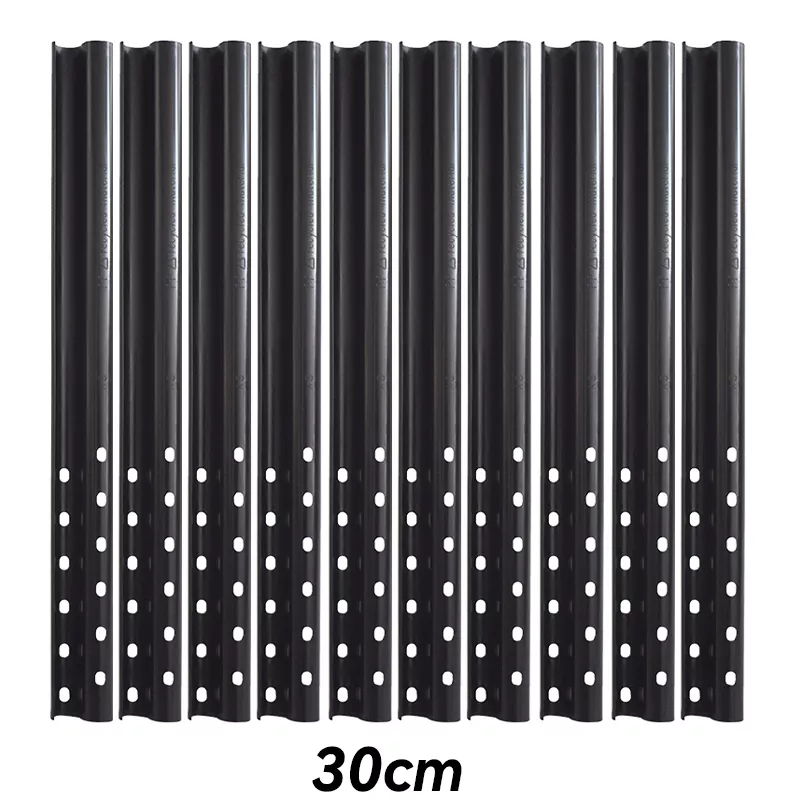
The Anatomy of a Professional Mixing Stick
The reason professionals gravitate toward a particular stick is rooted in its physical properties. A standard, flimsy stick can break mid-stir, introducing debris into the paint. Professional-grade options, such as those offered by Aspaint, feature reinforced cores and precise beveled edges that create a vortex in the paint can, mixing pigments more thoroughly than a flat stick ever could.
| Feature | Professional Stick (e.g., Aspaint) | Basic DIY Stick |
|---|---|---|
| Material | High-density wood or reinforced polymer | Low-grade pine |
| Edge Design | Beveled edges for better vortex mixing | Flat, straight edges |
| Durability | High resistance to snapping and solvents | Prone to splintering and breakage |
| Measurement | Pre-printed imperial/metric gradients | Rarely has measurements |
Why Material and Texture Matter
The tactile feedback of the stick is also a major factor. When using a premium Aspaint stick, the slight roughness of the wood grain actually helps agitate the paint solids at the bottom of the can. Smooth sticks often slide over settled pigment without disturbing it. Furthermore, the length and width are calibrated to fit standard five-gallon buckets perfectly, allowing the painter to reach the bottom without the stick bowing or flexing too much. This precise engineering ensures that the paint mixing stick becomes a reliable instrument rather than a disposable afterthought.
Paint Mixing Stick FAQ
Q: How do I know if my paint is fully mixed using the stick?
A: You should check the paint flow on the stick itself. Fully mixed paint will run off the paint mixing stick in a smooth, uniform sheet. If you see streaks of different colors or clumps of thick material sliding down, the paint requires further mixing. Professionals often lift the stick out of the can and let the paint drip back in, observing the "ribboning" effect—consistent texture indicates a successful mix.
Q: Can I reuse a high-quality paint mixing stick for different colors?
A: Yes, you can, but only if it is cleaned properly. Aspaint professional sticks are designed to withstand cleaning with solvents like mineral spirits or water without warping or disintegrating. However, you must ensure the stick is completely dry and free of old paint skin before inserting it into a new color. Even a speck of dried tint can ruin a gallon of fresh white paint.
Q: Why do some mixing sticks have holes drilled in them?
A: This is a common feature on high-end paint mixing stick models. The holes serve two specific purposes. First, they reduce the surface area resistance, making it easier to stir thick paints without straining your wrist. Second, they create additional turbulence in the liquid, which helps break up pigment clumps and incorporates air more efficiently for specific types of textural finishes.
Conclusion
Choosing the right tool is the hallmark of a true professional. Whether you are managing a large construction site or touching up a bedroom, the quality of your mix determines the quality of your finish. Do not let a substandard stick compromise your hard work. For contractors looking to upgrade their toolkit with durable, reliable, and precisely engineered tools, Aspaint offers the industry standard in mixing solutions.
Contact Us today to place a bulk order or to learn more about our professional-grade painting accessories