

Why Is Insulation Felt Considered an Essential Component in Industrial Applications
2026-03-04
In the demanding environment of industrial operations, maintaining thermal efficiency, acoustic control, and equipment protection is non-negotiable. Insulation Felt provides a versatile solution that meets these rigorous requirements, which is why it has become a cornerstone material across manufacturing, automotive, and energy sectors. At Semicorex, we recognize that high-performance Insulation Felt is not merely an accessory but a critical component that ensures operational continuity and safety.
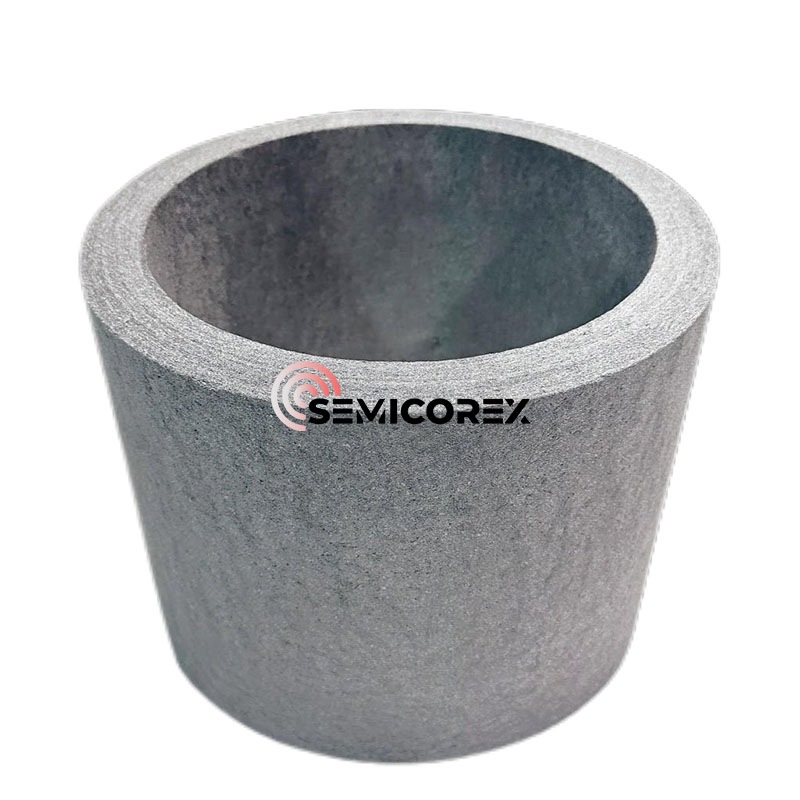
Key Industrial Benefits of Insulation Felt
The adoption of Insulation Felt in industrial settings is driven by its unique combination of properties. Below is a comparison of its primary functions and the corresponding industrial advantages.
| Primary Function | Industrial Application | Key Benefit |
|---|---|---|
| Thermal Insulation | Piping, boilers, kilns, HVAC systems | Minimizes heat loss, reduces energy consumption, and protects personnel from burns. |
| Acoustic Damping | Engine compartments, compressor housing, manufacturing plants | Absorbs airborne and structure-borne noise, ensuring compliance with workplace safety standards. |
| Vibration Absorption | Machinery mounts, automotive panels, HVAC ductwork | Reduces mechanical stress and prevents material fatigue, extending equipment lifespan. |
| Filtration & Sealing | Air intake systems, gasketing, high-temperature filtration | Provides a dense yet permeable barrier against particulates and thermal leaks. |
Why Industries Rely on This Material
The operational resilience provided by Insulation Felt makes it indispensable. It withstands extreme temperatures, resists chemical exposure, and maintains its structural integrity under continuous mechanical stress. For industries aiming to optimize energy efficiency and meet stringent environmental regulations, upgrading to high-grade Insulation Felt from suppliers like Semicorex is a strategic move. Our solutions are engineered to deliver consistent performance, reducing downtime and maintenance costs.
Insulation Felt FAQ: Common Industrial Queries
What temperature ranges can industrial Insulation Felt typically withstand?
Industrial-grade Insulation Felt is engineered for extreme environments. Depending on the fiber composition—such as fiberglass, mineral wool, or ceramic fibers—it can effectively perform in temperatures ranging from -50°F (-45°C) in cryogenic applications to over 2300°F (1260°C) in foundries and furnace settings. Semicorex offers graded variants to match specific thermal thresholds, ensuring that the material does not degrade or lose its insulating properties under continuous high-heat exposure.
How does Insulation Felt contribute to acoustic control in a factory setting?
In a factory, noise pollution is a significant hazard. Insulation Felt acts as a porous sound absorber. When installed in wall panels or around machinery, its fibrous structure traps acoustic energy, converting it into minute amounts of heat through friction. This significantly dampens reverberation and lowers decibel levels, helping facilities comply with OSHA noise regulations and improving the overall safety and comfort of the work environment.
Is Insulation Felt resistant to moisture and chemicals found in industrial plants?
Standard Insulation Felt can be treated to exhibit high resistance to moisture, oils, and various chemicals. For instance, Semicorex utilizes specialized coatings or selects inherently resistant fibers like polypropylene or treated fiberglass to prevent wicking and corrosion. This resistance ensures that the felt does not harbor mold, lose its thermal value when wet, or deteriorate upon contact with industrial solvents, making it suitable for challenging environments like chemical processing plants or outdoor installations.
Optimize Your Operations with Semicorex
Selecting the right material is crucial for industrial efficiency. Whether you require Insulation Felt for thermal barriers, acoustic panels, or vibration control, Semicorex provides tailored solutions that meet the highest standards of durability and performance.
Contact us today to discuss your specific application requirements and discover how our advanced Insulation Felt can enhance your industrial systems.