

Why Is the Aramid Conveyor Belt the Industrial Material Handling?
2025-10-14
In the fast-paced industrial world, conveyor belts play a critical role in maintaining productivity and efficiency. Among the various types of conveyor belts available, the Aramid Conveyor Belt stands out as a revolutionary innovation that combines exceptional strength, heat resistance, and long-lasting durability.
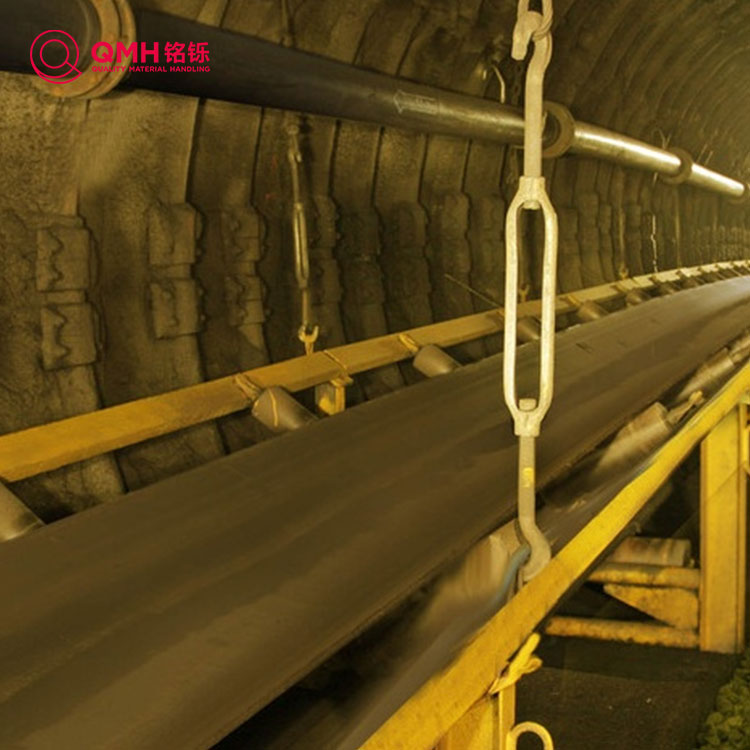
Aramid—short for aromatic polyamide—is a synthetic fiber best known for its use in high-performance applications such as aerospace materials, bulletproof vests, and automotive components. When integrated into conveyor belts, aramid fibers provide remarkable tensile strength and resistance to impact, fatigue, and high temperatures. These characteristics make aramid belts ideal for industries such as mining, cement, steel, port operations, and power generation, where reliability and performance are paramount.
Unlike traditional steel-cord or nylon conveyor belts, aramid belts offer a unique balance between lightweight construction and exceptional mechanical performance. The reduced weight translates into lower energy consumption, less maintenance, and extended belt lifespan, creating significant long-term cost savings for operators.
The core idea behind the rise of aramid conveyor belts lies in sustainability and performance optimization. As industries move toward greener and more efficient operations, these belts provide a practical solution to minimize downtime and reduce operational costs—without compromising on safety or performance.
Why Are Aramid Conveyor Belts Superior to Traditional Belt Materials?
The superiority of aramid conveyor belts lies in their advanced material composition and mechanical advantages. Let’s explore why industries worldwide are shifting to this technology.
a. Strength and Weight Balance
Aramid fibers deliver five times the strength of steel per unit weight, making them extremely efficient for high-tension applications. The belts can handle heavy loads and long-distance conveying without stretching or deforming, ensuring stable performance over time.
b. Exceptional Heat and Flame Resistance
Aramid belts retain structural integrity at temperatures exceeding 250°C (482°F). This feature is particularly advantageous for cement, steel, and glass industries where heat exposure is constant.
c. Energy Efficiency and Reduced Rolling Resistance
Due to their lightweight construction, aramid belts significantly reduce the rolling resistance on conveyor systems, thereby cutting energy consumption by up to 30%. This translates into both cost savings and reduced environmental impact.
d. Low Maintenance and Long Lifespan
The material’s resistance to stretching, abrasion, and fatigue ensures longer operational life. Unlike steel cords, aramid does not corrode or rust, reducing maintenance needs and downtime.
e. Flexibility and Easier Handling
Aramid belts are easier to splice, transport, and install than steel-reinforced belts, simplifying logistics and installation procedures.
Here is a comparative table showcasing key technical parameters:
| Parameter | Aramid Conveyor Belt | Steel Cord Belt | Nylon Fabric Belt |
|---|---|---|---|
| Tensile Strength | Up to 3000 N/mm | Up to 2500 N/mm | 1000–1500 N/mm |
| Weight (kg/m²) | 6–8 | 12–15 | 10–12 |
| Temperature Resistance | Up to 250°C | Up to 200°C | Up to 120°C |
| Energy Savings | Up to 30% | Moderate | Low |
| Corrosion Resistance | Excellent | Poor | Moderate |
| Lifespan | 1.5–2x longer than steel belts | Standard | Shorter |
| Maintenance Requirement | Low | High | Moderate |
This data clearly indicates that aramid belts outperform conventional materials across multiple categories, especially in energy efficiency, durability, and overall system optimization.
How Do Aramid Conveyor Belts Contribute to Industrial Efficiency and Sustainability?
Modern industrial operations face growing demands for eco-friendly and cost-effective material handling solutions. Aramid conveyor belts answer this call with technological sophistication and sustainable design principles.
a. Energy and Cost Efficiency
The lightweight structure of aramid belts reduces the overall drive power required to operate conveyor systems. This results in lower electricity consumption and a smaller carbon footprint. Over time, these savings accumulate into substantial operational benefits, especially for large-scale industrial sites that run continuously.
b. Improved Safety and Reliability
Safety remains a top priority in industries like mining and steel production. Aramid conveyor belts exhibit excellent impact absorption and minimal elongation, preventing sudden failures and improving overall workplace safety. Their flame-resistant properties also reduce the risk of fire-related incidents.
c. Resistance to Harsh Environments
Aramid fibers are resistant to moisture, chemicals, and temperature fluctuations. This resilience ensures stable performance even in the most demanding environments, where steel or nylon belts might degrade more quickly.
d. Sustainable Lifecycle
Because of their extended lifespan, aramid belts require fewer replacements, leading to less waste generation and reduced raw material consumption. This aligns with global efforts toward sustainable manufacturing and eco-efficient industrial practices.
e. Noise Reduction and Smooth Operation
Aramid conveyor belts operate with lower vibration and noise levels compared to traditional steel cords. This creates a quieter, more comfortable, and safer working environment for operators.
The integration of smart sensors and predictive maintenance technologies is another growing trend. Aramid belts can be embedded with monitoring systems that track temperature, tension, and wear in real time, further reducing maintenance costs and unplanned downtime.
What Is the Future of Aramid Conveyor Belts?
The future of material handling is shifting toward automation, sustainability, and performance-driven design. Aramid conveyor belts are at the center of this transformation.
a. Industry Trends
According to recent market analyses, global demand for aramid conveyor belts is expected to grow steadily due to their application in high-capacity conveying systems and energy-efficient operations. Emerging economies are rapidly adopting aramid-based belts to upgrade existing conveyor infrastructures and improve cost performance.
b. Integration with Smart Technology
In the coming years, conveyor systems will increasingly adopt IoT (Internet of Things) and AI-powered predictive analytics to optimize belt maintenance schedules. Aramid belts’ resistance to deformation makes them ideal for integration with these technologies, ensuring data accuracy and reliability.
c. Customization and Modular Design
Manufacturers are now offering custom-tailored aramid belt solutions, allowing clients to choose specific thicknesses, tension levels, and surface coatings to meet unique operational needs. This modularity increases both versatility and cost-effectiveness.
d. Sustainability and Carbon Reduction
As industries commit to net-zero goals, aramid belts represent a significant advancement in low-carbon material handling. Their extended lifespan, energy savings, and recyclability contribute directly to sustainable industrial practices.
Common FAQs about Aramid Conveyor Belts
Q1: How long does an aramid conveyor belt typically last compared to a traditional steel cord belt?
A1: An aramid conveyor belt generally lasts 1.5 to 2 times longer than a traditional steel cord belt. Its high resistance to abrasion, heat, and fatigue means fewer replacements are needed, reducing both maintenance costs and system downtime.
Q2: Can aramid conveyor belts be used in extremely high-temperature environments?
A2: Yes. Aramid belts can operate reliably in environments up to 250°C, making them ideal for applications in cement kilns, foundries, and steel plants. They retain tensile strength even under continuous thermal exposure, unlike standard nylon or polyester belts that weaken over time.
The Aramid Advantage and Why QMH Leads the Way
In an era of industrial transformation, the Aramid Conveyor Belt represents the next generation of high-performance conveying technology. Its balance of strength, lightweight design, and energy efficiency delivers unmatched reliability across industries. With its ability to endure heat, resist wear, and operate efficiently, it embodies both technological innovation and environmental responsibility.
QMH is proud to be at the forefront of this advancement. By combining advanced materials engineering with rigorous quality standards, QMH delivers conveyor belts that not only meet but exceed the expectations of modern industries. Whether for mining, steel, or cement production, QMH aramid belts ensure continuous, efficient, and sustainable performance.
For more information on how aramid conveyor belts can enhance your operation’s efficiency and reliability, contact us today to consult with a QMH technical expert and discover customized solutions designed for your business.