

Why Is WPC Door Lock Becoming the Future Choice for Residential and Commercial Security?
2025-11-24
Wood-Plastic Composite (WPC) door locks are increasingly recognized across global markets as a durable, moisture-resistant, and dimensionally stable security solution for both residential and commercial applications.
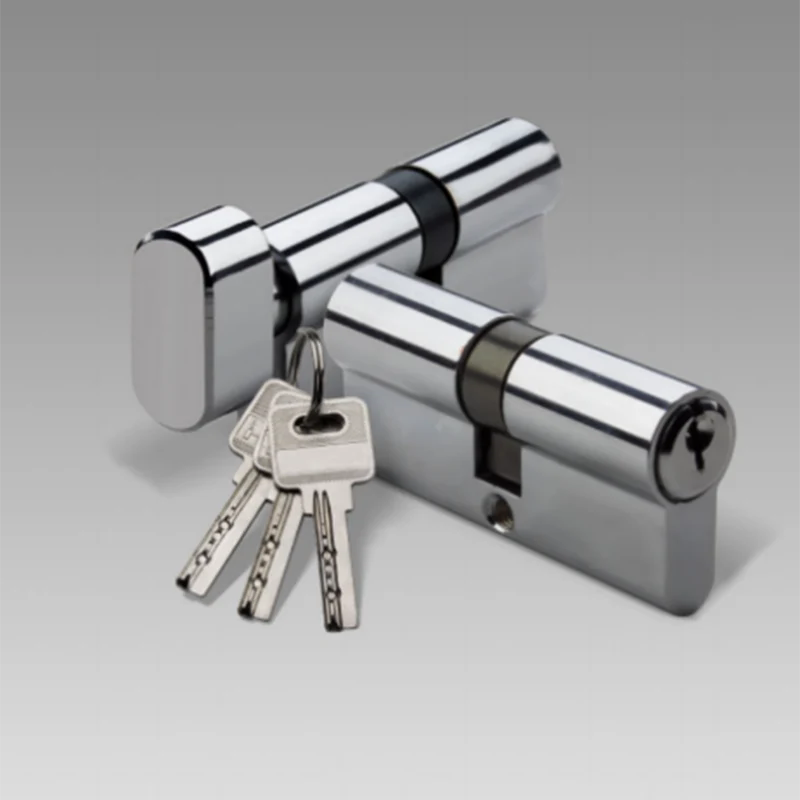
What Defines the WPC Door Lock and What Core Features Differentiate It?
A WPC door lock is a locking system engineered specifically for WPC doors, which are widely used for interior rooms, washrooms, commercial buildings, hotels, and modern apartments. These locks are built to resist moisture, deformation, corrosion, and wear—issues commonly found with traditional wooden door locks.
Key Product Parameters
| Category | Specification |
|---|---|
| Material Compatibility | Designed for WPC internal doors, bathroom doors, and composite doors |
| Lock Body Material | High-strength stainless steel / zinc alloy |
| Handle Material | Aluminum alloy / zinc alloy with anti-corrosion coating |
| Backset | Common sizes: 45mm / 50mm / 55mm / 60mm |
| Center Distance | 72mm / 85mm |
| Surface Treatment | Electroplating, powder coating, anti-rust finish |
| Applicable Door Thickness | 35–50 mm |
| Lock Type Options | Privacy lock, passage lock, key lock, magnetic lock |
| Core Features | Anti-warping support, smooth handle mechanics, silent latch, moisture resistance |
What Problems Does It Solve?
-
Reduces deformation caused by humidity
-
Prevents rust in high-moisture environments such as bathrooms
-
Provides long-lasting mechanical performance
-
Reduces noise during door opening and closing
-
Supports modern interior design without compromising durability
Deep-Dive Questions for Understanding (What):
-
What structural differences allow a WPC lock to remain stable where traditional locks fail?
-
What engineering design improves its silent locking mechanism?
-
What wear-resistant coating ensures long-term corrosion resistance?
These questions help clarify product functionality and highlight advantages that influence purchasing decisions.
Why Is a WPC Door Lock the Preferred Solution for Today’s Buildings?
The rising demand for moisture-proof, environmentally friendly, and long-life door systems has driven adoption of WPC door locks in both residential and commercial spaces.
Reasons Behind Market Preference
1. Moisture and Humidity Resistance
WPC doors are commonly used in bathrooms and kitchens. Traditional wooden locks easily absorb moisture, leading to swelling, rusting, and mechanical failure. WPC locks eliminate this issue through corrosion-resistant alloys and sealed internal mechanisms.
2. Stability and Wear Resistance
High-quality metal alloys strengthen structural stability. Even under daily heavy use, WPC locks maintain smooth operation without loosening or friction damage.
3. Noise Reduction
Magnetic lock options and silent latch structures reduce metal-to-metal contact, supporting quiet environments such as hotels, offices, and high-end homes.
4. Aesthetic Versatility
Color-stable coatings and streamlined design options enhance architectural consistency. From matte black to brushed silver, finishes remain elegant over time.
Deep-Dive Questions for Understanding (Why):
-
Why do WPC lock components maintain structural strength under temperature fluctuations?
-
Why does corrosion-resistant metal outperform traditional steel in humid environments?
-
Why do hotels and apartments increasingly choose magnetic WPC locks for guest room doors?
These questions highlight the broader reasoning behind the trend toward WPC-compatible locking systems.
How Does a WPC Door Lock Work and How Is It Installed, Maintained, and Applied in Real-World Scenarios?
WPC door locks are engineered with optimized lock bodies and latch mechanisms that integrate seamlessly with composite door structures. Their design supports straightforward installation and enhanced daily usability.
How It Works
-
The lock cylinder engages a precision-machined latch for secure closure.
-
Stainless steel or zinc alloy components prevent wear even after extensive use.
-
Magnetic or silent latching systems eliminate slamming sounds.
-
Reinforced screw sets and mounting plates stabilize the structure within WPC material.
Installation Overview
-
Confirm the lock backset (45–60 mm)
-
Align lock body with the WPC door’s internal structure
-
Insert screws through reinforced mounting holes
-
Install handle assembly and verify latch alignment
-
Test silent closing and opening function
Installation does not require special tools, making it suitable for both contractors and in-house facility teams.
Application Scenarios
-
Residential bedrooms
-
Bathroom and washroom doors
-
Hotel guest rooms
-
Office interior doors
-
Commercial units
-
Educational institutions
-
Healthcare facilities
Deep-Dive Questions for Understanding (How):
-
How do silent latch systems achieve smooth motion without metal noise?
-
How does anti-corrosion coating extend lifespan in humid climates?
-
How does reinforced lock seating prevent wobbling or lock movement over time?
These questions help describe the product’s engineering logic and long-term reliability.
Future Trends, Industry Insights, and Customer Guidance
As WPC doors continue to replace traditional wooden doors worldwide, lock systems are rapidly evolving. The next generation of WPC door locks is moving toward improved durability, better aesthetics, and enhanced installation logic.
Future Trends in WPC Door Lock Technology
1. Smart Integration
Although primarily used for interior doors, WPC locks may incorporate NFC, simple digital panels, and sensor-based mechanisms for apartment and smart home systems.
2. Enhanced Eco-Materials
More environmentally friendly coatings and recyclable metal components are expected to become standard.
3. Magnetic Performance Optimization
Improved magnetic latch systems will promote smoother closing, reduced noise, and minimized wear.
4. Customizable Aesthetic Options
Designers are pushing for broader color matching and texture options to align with interior décor themes.
5. Universal Fit Compatibility
Future lock designs will simplify installation across different WPC thicknesses, making product selection more efficient.
Frequently Asked Questions
Q1: Are WPC door locks suitable for bathroom doors with high humidity?
A: Yes. WPC locks are specifically engineered for moisture-heavy environments. The lock body and handle typically use stainless steel or zinc alloy materials with anti-rust coatings to prevent corrosion. This ensures long-term performance without swelling, sticking, or mechanical failure, even in continuously humid climates.
Q2: How long does a WPC door lock typically last and what affects its lifespan?
A: A high-quality WPC lock can last several years or longer depending on usage frequency, environmental humidity, and material quality. Anti-corrosion coatings, silent latch mechanisms, and reinforced mounting structures help extend lifespan. Proper installation and periodic cleaning also enhance durability.
Conclusion and Brand Mention
The WPC door lock represents a reliable, future-oriented solution for modern interior spaces. With strong moisture resistance, stable mechanical performance, silent functionality, and compatibility with a wide range of WPC door structures, it supports both residential and commercial environments. As global architecture continues transitioning toward durable composite materials, demand for specialized WPC locking systems is set to grow rapidly.
Yilian is committed to delivering high-quality WPC door locks developed through precision engineering, durable material selection, and attention to installation practicality. For product specifications, bulk orders, or customization needs, contact us to receive professional guidance and tailored solutions.